The short version. Pune's new homes are getting bigger and more expensive, and most of them are going up in the western and eastern corridors near the big office hubs1. Choose materials for the monsoon, which brings about 80% of the year's rain between June and September2, not just for the dry April heat. Compare designers only on itemised quotes drawn on the same measured plan, and get warranty terms and a dated schedule in writing before you pay anything substantial.
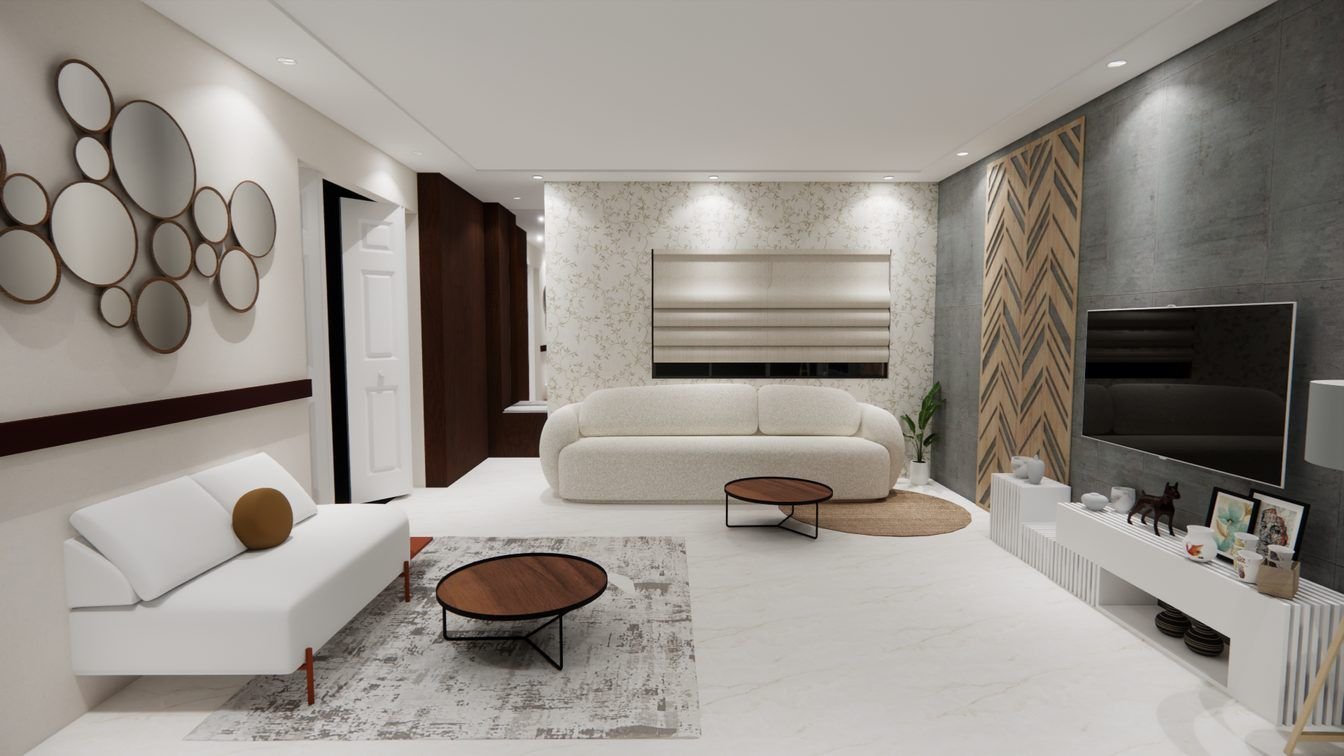
What Pune's housing market means for your interiors
Knight Frank counted 24,890 homes sold in Pune in the first half of 2026, while developers launched 31,116 new units over the same months1. The average price reached INR 10,063 per sq ft1. For interiors, the more useful signal is what people are buying. The share of homes priced below INR 5 million shrank, and homes between INR 5 million and 20 million took a larger slice of sales1.
A costlier flat usually means more rooms to fit out and higher expectations for finishes, so the interior budget deserves the same planning as the down payment. It also changes the order of decisions. With an expensive new flat, it is tempting to sign up with whoever reaches you first at the site office. A better sequence is to collect possession, get the flat measured, and only then compare designs and quotes on the same drawings.
Location shapes the brief too. Developers are concentrating launches in Pune's western and eastern growth corridors1, and Knight Frank singles out Baner, Kharadi and Hinjewadi for steady buyer interest1. Hinjawadi and Wakad sit inside the city's largest office district, which took a third of all office leasing in the first half of 20261. That has three practical consequences:
- Most projects start from a new, empty shell. Ask for the builder's electrical and plumbing drawings at handover and check them against what is actually on the walls. Moving a switchboard after the wardrobes are fixed costs far more than moving it on paper.
- Plenty of flats near office hubs are bought to rent out. If that is your plan, choose durable, neutral, easy-to-clean finishes and keep fixed joinery to the kitchen and wardrobes. Tenants can bring their own loose furniture.
- Larger flats invite budget creep. Fix a per-room budget before the design meetings start, and treat anything outside it as a deliberate trade-off rather than an add-on.
Designing for Pune's climate
Pune's weather is easy to underestimate because the city is known for mild winters. For your furniture and finishes, the monsoon is the stress test. The India Meteorological Department's 1991–2020 normals for the Pune observatory show 841.2 mm of rain a year over about 51 rainy days2. Most of it falls in four months.
| Season | What the IMD data shows | What it means for interiors |
|---|---|---|
| Monsoon (June to September)2 | 670.6 mm of rain, about 80% of the annual total; morning humidity of 84% in July and 86% in August | Moisture-resistant boards in wet zones, sealed edges, ventilated storage, careful timing for paint and polish |
| Summer (March to May)2 | April averages a daily high of 37.9 °C; evening humidity in March is just 22% | Solid wood and veneer can shrink and open up at joints; heat-blocking curtains on west-facing glass |
| Winter (December to February)2 | January nights average 11.2 °C | Dry, stable air makes this a good window for polishing, painting and wallpaper |
Carcass material. For kitchen base units, the cabinet under the sink and bathroom vanities, specify a boiling-water-resistant or boiling-water-proof plywood, or a high-density moisture-resistant board. Ask for the exact grade and brand in writing, because "waterproof ply" on a quote can mean several different products.
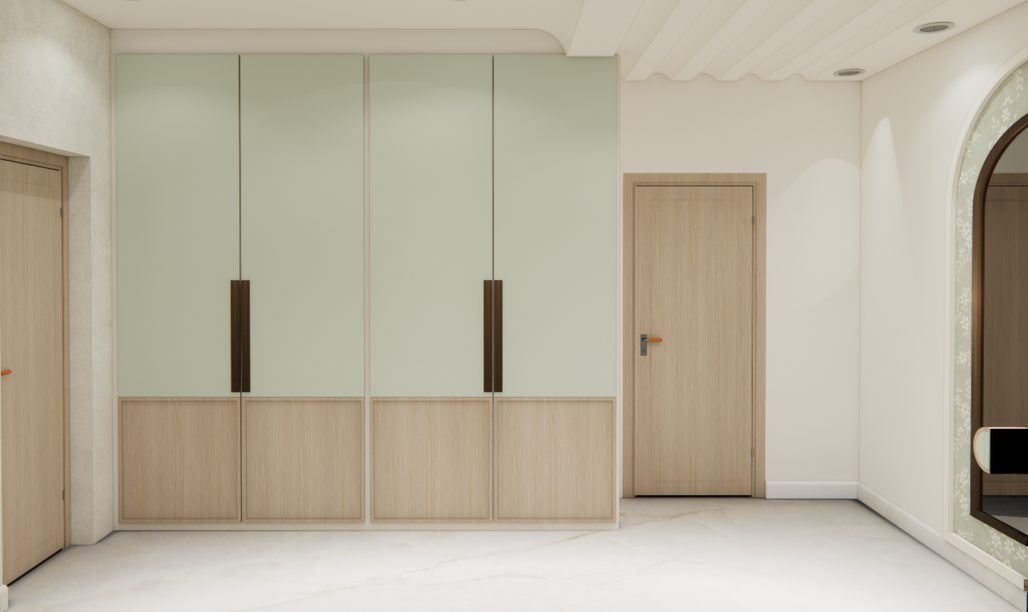
Finishes. Laminates and acrylic shutters cope well with humid months and frequent wiping. Natural veneer looks warmer, but it needs a good sealed polish and reacts more to the swing between a wet August and a dry March. Make sure every exposed edge is edge-banded, including the hidden ones inside the sink cabinet.
Ventilation and storage. Wardrobes on external walls collect damp during the monsoon. Leave a small gap behind them, laminate the back panel, and consider louvred shutters for shoe racks and utility storage. A proper exhaust fan in the kitchen and in each bathroom does more for mould prevention than any premium board.
Timing. Factory-made modular units are not affected much by rain, but on-site carpentry, putty, paint and polish all dry slower in humid weather. If your project runs through June to September2, ask your designer how they will store boards on site and how they will adjust curing times.
Planning by home type in Pune
1BHK. In a one-bedroom flat every wall has to work. Prioritise a well-planned kitchen, a full-height wardrobe and a sofa or bed with storage underneath. If you are renting the flat out, skip the fixed TV unit and decorative panelling; tenants care more about storage and a clean kitchen.
2BHK. The second bedroom usually has to be a study, a guest room and a store at different times. A wall bed or a daybed with drawers keeps it flexible. Decide early whether the dining table goes in the living room or the kitchen, because that decision fixes your lighting and electrical points. Look at the balcony as usable space, not leftover space: a weather-resistant bench and some planters can turn it into an extra room for most of the year.
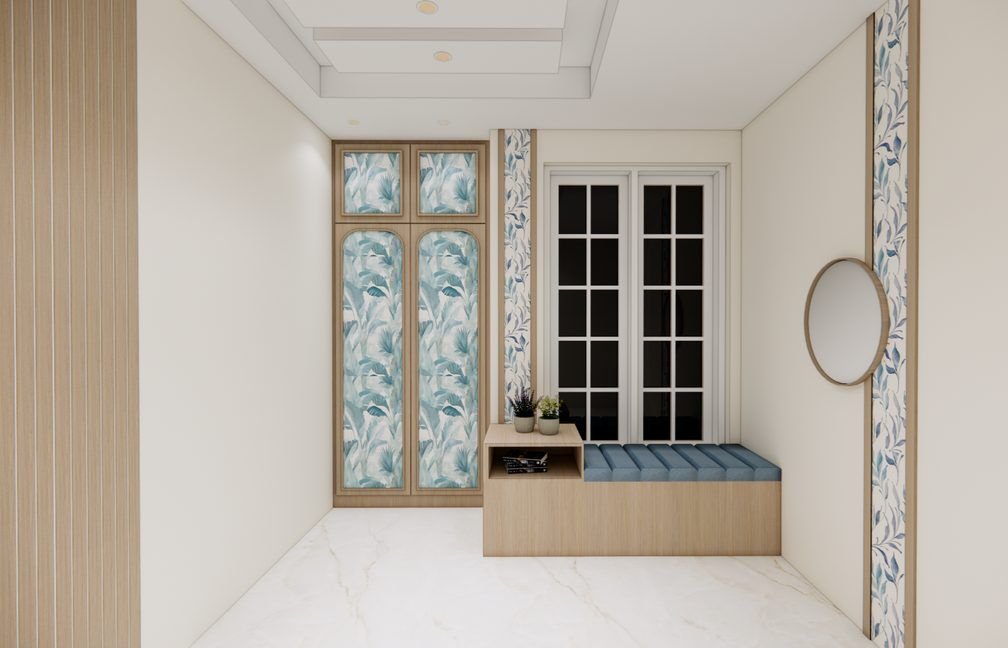
3BHK and larger. Knight Frank notes buyer interest in projects offering larger homes and better amenities1. More space makes zoning more important. Separate a quiet bedroom wing from the living areas, and plan storage centrally, for example a utility or store room, rather than adding loft cabinets to every room.
Row houses and independent homes. These often need civil work that apartments don't: waterproofing terraces and external walls, upgrading plumbing, or reworking a staircase. Get the civil and waterproofing scope quoted separately from furniture so you can compare contractors properly, and finish the waterproofing before the monsoon.
What drives interior costs in Pune, and how to pay safely
There is no honest single price for "a 2BHK in Pune". Two flats of the same size can end up with very different bills depending on how much fixed furniture goes in and what it is made of. What you can control is how clearly the cost is broken down, so here are the factors that move a quote the most, roughly in order of impact:
- How much fixed joinery you want. A kitchen and bedroom wardrobes are the core of most projects. A TV unit, crockery unit, study, shoe storage, panelling and a false ceiling in every room each add a line.
- Board grade. Moisture-resistant and boiling-water-proof grades cost more than commercial plywood or standard particle board, and Pune's monsoon makes them worth it in wet zones.
- Shutter finish. Laminate, acrylic, membrane, veneer and lacquer sit at very different price points. Mixing them, for example lacquer for a feature unit and laminate inside wardrobes, keeps the look without paying premium rates everywhere.
- Hardware and countertop. Soft-close hinges, tandem drawers, tall units and corner solutions add up fast in a kitchen. So does the jump from granite to quartz.
- Civil and services work. Moving a sink, breaking a wall, rewiring or waterproofing is separate from furniture and should be quoted separately.
How to structure payments. Keep the booking amount modest, link every later payment to a stage you can check (signed drawings, material samples approved, delivery to site, installation, snag list closed), and hold back a final share until the snags are fixed. Approve physical samples of the laminate, handles and countertop before the order is placed, because changes after that point cost time and money. If you are using a home-loan top-up, plan the payment stages around the disbursement dates.
Timelines and warranties: what to get in writing
Most delays and disputes in interior projects come from things that were agreed verbally. A good proposal answers the following on paper, before you pay for production.
A dated schedule, not a number of days. "Installation in a few weeks" means little unless you know when the clock starts. Ask for a schedule that names the dates for final drawings, material approval, factory production, delivery and installation, and what happens if a stage slips. In Pune, check how the schedule handles the June to September monsoon2, when site painting and polishing take longer to dry.
The warranty document itself. Ask what is covered (carcass, shutters, hardware, countertop, installation), for how long, and who you call when something fails. Hardware brands often carry their own warranty; make sure the designer passes those documents on at handover.
Scope in and scope out. List what is included: delivery, installation, electrical connections for appliances, cleaning after the work, debris removal. Anything not on the list should be assumed to cost extra.
Change requests. Agree how changes are priced and approved. A simple rule works well: no change goes ahead without a written note of its cost and its effect on the schedule.
Handover. Walk through every room with a snag list, open every shutter and drawer, and check the hinges and edge banding inside the sink cabinet before the final payment.
Choosing an interior designer in Pune: a checklist
Whether you hire a large modular brand, a design studio or an independent designer, the same questions separate a clear proposal from a vague one.
- Is the quote itemised? Each unit should list its board grade and brand, shutter finish, hardware brand and countertop. A single per-sq-ft figure with no detail can't be compared with anything.
- Are the drawings to scale? Ask for plans and elevations with dimensions, and for the electrical layout, before you commit to the order stage.
- What is the monsoon plan? If work will run through the rainy months2, ask how they protect materials on site and whether paint or polish will wait for drier weeks.
- Who supervises the site, and how often? Get a named person and an agreed visit schedule, especially for on-site carpentry.
- What does your society allow? Many housing societies set working hours, require lift bookings or a deposit for debris disposal. Get the rules in writing before work starts so the schedule is realistic.
- What exactly is warranted, and for how long? Get it in writing, product by product.
Red flags: pressure to pay a large share before you have seen final drawings; reluctance to name materials and brands; a timeline with no start date; verbal promises that don't appear in the agreement.
Which kind of designer suits you. A modular company works well when you want speed, factory finishes and one point of contact. An independent designer working with a local carpentry workshop can suit highly customised pieces or older homes that need extensive civil work. A design-only consultant makes sense if you already trust a contractor. If you are also considering a weekend home, our guide to planning interiors in Nashik covers a city where a similar amount of rain arrives in a shorter, sharper season2.
Pune localities: what the data tells you
Rather than listing every neighbourhood, here is what the research above says about the areas where much of the new housing is.
Baner, Kharadi and Hinjewadi are the three locations Knight Frank names for continued buyer interest, linked to employment centres, better connectivity and larger homes1. Projects in these areas are often new flats bought close to work, so a fast, well-planned fit-out of the kitchen and wardrobes usually matters more than decorative extras.
Hinjawadi and Wakad sit in the office district that took a third of Pune's office leasing in the first half of 20261. Flats here are often bought as rentals or by people moving for work. Practical interiors such as good storage, a work-from-home corner and durable finishes usually matter more than statement pieces.
The metro corridors. Knight Frank expects the phased rollout of Metro Line 3 between Hinjewadi and Shivajinagar, and a planned expansion towards Kharadi and Hadapsar1. If your building is near active construction, expect more dust for a while. Closed storage, glass-fronted display units instead of open shelving, and blinds that are easy to clean will save you a lot of dusting.
Pune Municipal Corporation alone counted over three million residents in the 2011 Census3, and the corridors above extend beyond its boundaries. Wherever you are, the same rule applies: measure after possession, then design.
Frequently asked questions
How much does a 2BHK interior cost in Pune?
It depends mostly on how much fixed furniture you want and what it is made of, not on the city. A kitchen and two wardrobes in laminate is a very different budget from full-home joinery in veneer with a false ceiling in every room. Fix a per-room budget, then ask every designer to quote the same measured plan item by item, with board grades, finishes and hardware named, so the quotes can be compared.
Should I avoid interior work during Pune's monsoon?
Not necessarily. Factory-made modular units are largely unaffected, but site work such as putty, paint and polish dries more slowly when about 80% of the year's rain is falling between June and September2. Plan wet work for drier months if you can, or build extra drying time into the schedule.
Which plywood should I use for a kitchen in Pune?
For the sink cabinet, kitchen base units and bathroom vanities, use a boiling-water-resistant or boiling-water-proof plywood, or a high-density moisture-resistant board, and make sure every edge is sealed. Ask for the exact grade and brand on the quote, since "waterproof ply" can mean several different products.
Where is most of Pune's new housing being built?
Developers are concentrating launches in the western and eastern growth corridors1, and Knight Frank names Baner, Kharadi and Hinjewadi for steady buyer interest1. Most of these are new flats, so plan interiors after possession and measurement.
Do interior quotes include painting, false ceilings and electrical work?
Not always. Many quotes cover only the furniture, with painting, false ceilings, electrical changes and civil work priced separately or left out. Ask for every service you expect to be written into the quote as its own line.
How do I compare quotes from different designers?
Make sure they are drawn on the same measured plan and itemised to the same level: unit sizes, board grade and brand, shutter finish, hardware brand and countertop. Then compare the payment stages, the written warranty and the dated schedule, not just the total.
Planning interiors for your Pune home?
2BHK Interiors takes on projects in Pune. Share your floor plan and budget, and we will talk you through the layout, materials and timeline before you commit to anything.
Talk to 2BHK InteriorsNearby city guides
How we researched this page
We checked every figure on this page against the sources below on the dates shown (IMD climate normals, Real-estate research (Knight Frank), Census of India). If you spot something out of date, tell us and we will correct it.
- Punekar News / Knight Frank India: Pune records highest-ever half-year office leasing in H1 2026 (reporting Knight Frank India Real Estate H1 2026) (accessed 2026-10-30)
- India Meteorological Department: Climatological Tables of Observatories in India 1991–2020 (9th edition, 2022) (accessed 2026-10-30)
- Census of India: Census 2011 Table A-4: Towns and Urban Agglomerations by population size class (accessed 2026-10-30)