The short version. Kolhapur's monsoon is long and very humid: morning humidity averages 91% in July and 92% in August at the city's IMD observatory1. Homes are fairly roomy, with more than four in ten households having three or more dwelling rooms in 20112. Protect furniture from damp and termites first, then plan for comfortable family living.
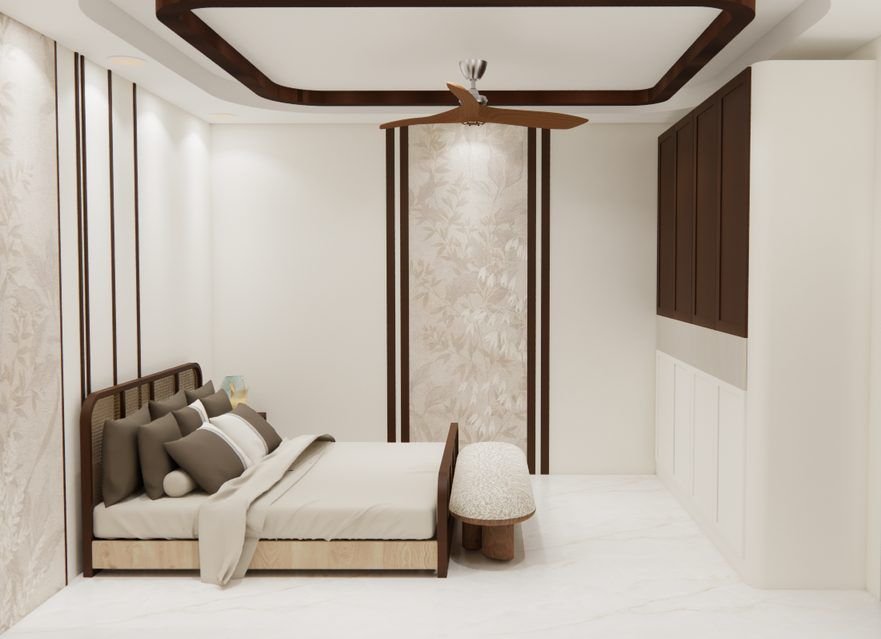
Kolhapur's homes and households
Kolhapur Municipal Corporation had 549,236 residents in the 2011 Census3, in 120,678 households2. The Census counts living rooms, bedrooms, dining and study rooms as dwelling rooms, but not kitchens, bathrooms or store rooms4.
| Dwelling rooms per household | Share of Kolhapur households |
|---|---|
| One room, or no exclusive room2 | 29.1% |
| Two rooms2 | 29.4% |
| Three or more rooms2 | 41.5% |
Three in four households owned their home2, and 23.0% rented2. With a large share of roomier, owner-occupied homes, many Kolhapur projects are long-term family homes: apartments, row houses and independent houses where people expect to stay for decades.
That shifts the focus towards durability. Furniture has to last through many humid seasons, and decisions about layout should allow for families that grow and change.
A long, very humid monsoon
The India Meteorological Department's 1991–2020 normals for Kolhapur's observatory show 1,077.5 mm of rain a year over about 68 rainy days1.
| Season | What the IMD data shows | What it means for interiors |
|---|---|---|
| Monsoon1 | 872.4 mm from June to September, about 81% of the year's rain; July is the wettest month; morning humidity of 91% in July and 92% in August | Mould in closed cupboards, swelling of untreated boards, doors that stick |
| Hot season1 | April averages a daily high of 36.8 °C; February evenings average 32% humidity | Wood dries out; seasonal movement at joints |
| Winter1 | January nights average 15.5 °C | Mild, stable conditions for finishing work |
A rainy day count that high, with humidity above 90% on monsoon mornings, means long spells when nothing dries properly1. That makes ventilation and material choice more important here than in drier Marathwada cities.
Ventilate every closed space. Louvred shutters for shoe racks and utility cupboards, a small air gap behind wardrobes and exhaust fans in kitchens and bathrooms prevent musty smells.
Use moisture-resistant boards widely. Not just in the kitchen: bedroom wardrobes on external walls face the same damp. A boiling-water-resistant or boiling-water-proof plywood grade, with every edge sealed, is worth the extra cost.
Pick wipeable finishes. Laminate and acrylic shutters handle damp better than untreated veneer and are easy to clean if mould spots appear.
Protecting wood from damp and termites
Warm, humid conditions suit termites, and they can destroy built-in furniture from the back, unseen, until it is too late.
Treat before you build. Ask for a pre-construction anti-termite treatment of floors and walls where joinery will be fixed, especially in ground-floor flats and independent houses.
Use treated boards. Ask whether the plywood is factory-treated against borers and termites, and get it in writing.
Keep wood off damp floors. Raise wardrobes and kitchen base units on legs or a plinth with a moisture barrier, rather than placing them directly on the floor.
Check regularly. Look for mud tubes on walls and soft spots in skirting or door frames, and schedule pest control at least yearly.
Fix seepage first. Termites follow moisture. Repair leaking pipes, damp walls and terrace waterproofing before interiors start.
Designing a family home in Kolhapur
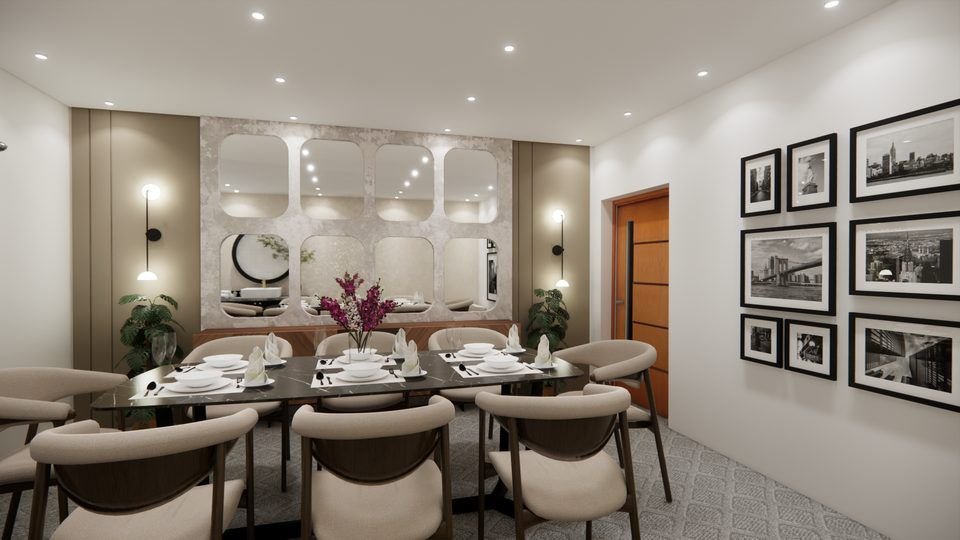
With many homes at three rooms or more2, a Kolhapur project can include a separate dining area, a pooja room, a study or a guest bedroom.
Plan for several generations. Many homes house parents and grandchildren as well as a couple. A ground-floor or easily accessible bedroom with an attached bathroom, grab rails and good lighting makes life easier for older family members.
Give the dining area storage. A crockery unit or sideboard keeps serving dishes and festival utensils close to the table.
Create a ventilated pooja space. Include a vent, heat-resistant backing behind lamps and an easy-clean floor.
Keep a central store. A store or utility room for bulky items avoids filling every bedroom with lofts.
In independent houses, protect the entrance. A covered porch and a well-drained entry with a shoe cabinet keep monsoon mud out of the house.
If your family is also looking at homes in nearby Ichalkaranji, our guide to planning compact homes in Ichalkaranji covers a city where single-room homes were far more common.
Budgets and quotes in Kolhapur
Kolhapur district had a per capita income of ₹2,82,297 in 2023-24, sixth among Maharashtra's district figures5. Local carpenters, workshops and design studios all work in the city, so comparing quotes properly matters.
Get itemised quotes on the same drawings. Each unit should name its size, board grade and brand, whether it is termite-treated, the shutter finish, hardware brand and countertop.
Price treatment and civil work separately. Anti-termite treatment, waterproofing and electrical changes should appear as separate lines.
Pay in stages. Booking, drawings, samples, delivery, installation and the closed snag list are natural milestones.
Agree the schedule around the monsoon. Site painting and polishing slow down badly in humid weather, so ask how the schedule handles June to September.
Ask for the warranty in writing, and check whether it covers termite or moisture damage.
Frequently asked questions
Why do my cupboards smell musty after the monsoon?
Morning humidity averages over 90% in July and August at Kolhapur's IMD observatory1, and closed cupboards trap that moisture. Add ventilation, leave an air gap behind wardrobes on outer walls and use moisture absorbers.
How do I protect new furniture from termites?
Use factory-treated plywood, get an anti-termite treatment before installation, raise base units off the floor and schedule regular pest control.
Which plywood should I use in Kolhapur?
A boiling-water-resistant or boiling-water-proof grade for kitchens, bathrooms and outer-wall wardrobes, with every edge sealed. Ask for the grade, brand and treatment in writing.
When should interior work be scheduled?
Avoid the monsoon for site painting and polishing if you can. About 81% of the year's rain falls from June to September1, so winter is easier for finishing work.
How should a home be adapted for elderly parents?
Plan an accessible bedroom with an attached bathroom, grab rails, non-slip flooring and good lighting, with switches reachable from the bed.
Planning interiors for your Kolhapur home?
2BHK Interiors takes on projects in Kolhapur. Share your floor plan and budget, and we will suggest materials and layouts that stay dry and fresh through the monsoon.
Talk to 2BHK InteriorsNearby city guides
How we researched this page
We checked every figure on this page against the sources below on the dates shown (Census of India, Census of India (houselisting), Census of India (definitions), Economic Survey of Maharashtra, IMD climate normals). If you spot something out of date, tell us and we will correct it.
- India Meteorological Department: Climatological Tables of Observatories in India 1991–2020 (9th edition, 2022) (accessed 2026-11-07)
- Census of India: Census 2011 Table HH-4 (HL-04): Households by ownership status, size of household and number of dwelling rooms, Maharashtra (accessed 2026-11-07)
- Census of India: Census 2011 Table A-4: Towns and Urban Agglomerations by population size class (accessed 2026-11-07)
- Office of the Registrar General & Census Commissioner, India: Census of India 2011: Instruction Manual for Houselisting and Housing Census (accessed 2026-11-07)
- Government of Maharashtra (Economic Survey 2024-25), via OpenCity: District-wise GDP and Per-Capita Income Data 2023-24 (Economic Survey of Maharashtra 2024-25) (accessed 2026-11-07)