The short version. Registered property deals in Nashik hit a record ₹17,543 crore in FY 2025–261, and buyers increasingly want ready-to-move flats, larger homes and second homes1. The climate swings hard: morning humidity reaches 90% in August, then evening humidity drops to 20% in March and April2. Pick materials that tolerate that swing, and if you are buying from Mumbai or Pune, plan how you will run the project from a distance before you sign anyone.
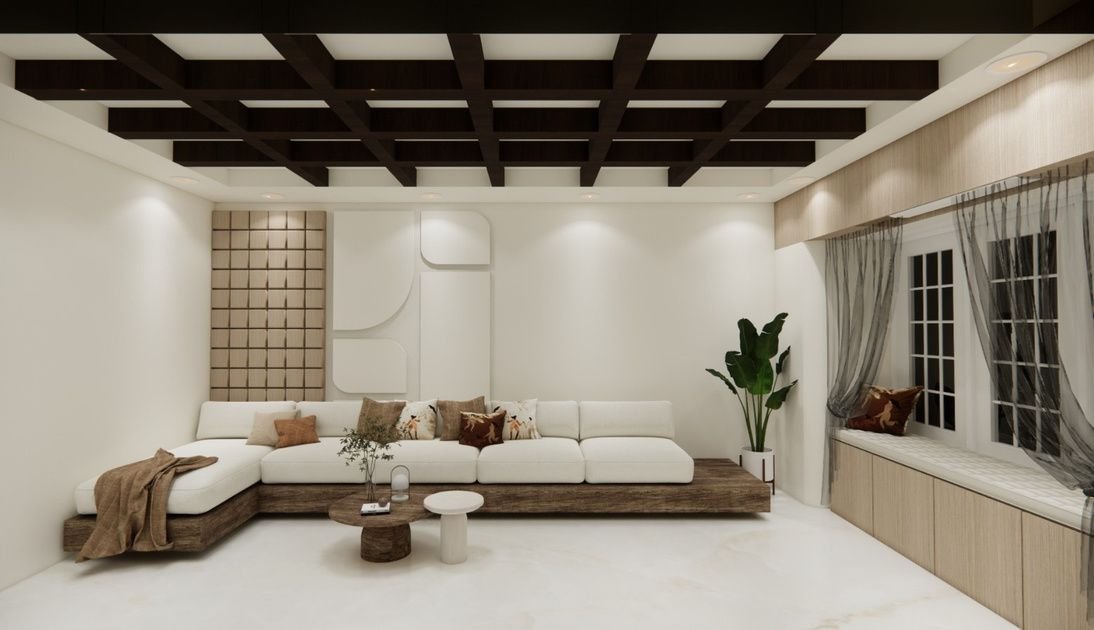
Who is buying in Nashik, and what that means for your interiors
Nashik's property market has moved up a gear. Transactions registered with the city reached ₹17,543 crore in FY 2025–26, up from ₹13,529 crore the year before, according to figures based on the municipal corporation's cess1. Developers quoted in the same report say investors from Mumbai and Pune are increasingly choosing Nashik. They also mention a recent approval for residential towers of up to 52 storeys1.
The report also notes three shifts that should shape your design brief1:
- More buyers want completed projects rather than flats still under construction. A ready flat usually comes with the builder's tiles, kitchen platform, doors and electrical points already in place. Decide early what you will keep and what you will replace. Reusing a sound granite platform or decent floor tiles can free a large part of the budget for storage and lighting.
- Demand for 3BHK and 4BHK homes is rising. Larger flats need a clear storage plan, or every room ends up with its own loft cabinets.
- Second homes are a growing share. If you will live somewhere else most of the year, the design has to work for a home that stays closed for weeks. The section on weekend homes below covers this in detail.
The broader supply picture is more mid-market. A CREDAI and Liases Foras study found that new supply in Nashik is led by 2BHK and 3BHK homes, followed by 1BHK, with limited 4BHK and villa stock3. Sales were highest in the ₹10–40 lakh segment3. For many households the interior budget is tight compared with the flat price, so the order of spending matters: kitchen and wardrobes first, then lighting and decor as money allows.
Nashik's climate: a late, heavy monsoon and very dry springs
On paper, Nashik and Pune get almost the same rain. The India Meteorological Department's 1991–2020 normals give Nashik 845.9 mm a year2 against Pune's 841.2 mm2. The difference is timing. In Nashik, about 86% of the year's rain falls between June and September, and July alone brings 240.6 mm2. If you are comparing the two cities, our guide to how Pune's climate shapes interior choices explains the gentler pattern there.
| Season | What the IMD data shows | What it means for interiors |
|---|---|---|
| Peak monsoon (July to September)2 | 606.5 mm of rain; morning humidity of 88% in July, 90% in August and 89% in September | Wood swells and doors stick; mould risk in closed cupboards; slow drying for paint and polish |
| Hot, dry spring (March to May)2 | Daily highs average 37.6 °C in April and 37.4 °C in May; evening humidity of 20% in March and April | Solid wood and veneer shrink, joints open up, laminate edges can lift if poorly bonded |
| Winter (December to February)2 | January nights average 10.4 °C | Dry, stable weather, a good window for polishing and fine finishing |
The jump from very dry spring air to saturated monsoon mornings is the real test for furniture. A few choices make a big difference:
- Prefer engineered boards for large panels. Good-quality plywood, or a high-density moisture-resistant board, moves less than solid timber across seasons. Keep solid wood for frames, handles and smaller pieces.
- Let materials acclimatise. Ask your carpenter or installer to store boards and flooring at the site for a few days before cutting and fixing, so they settle to local conditions.
- Seal every surface, including backs and edges. Unsealed backs absorb moisture in July and dry out unevenly in April, which is how panels warp.
- Schedule finishing for winter or early spring. PU polish, lacquer and wallpaper behave best in the dry, mild months.
Designing a second home you visit only on weekends
If your Nashik flat will be closed for weeks at a time, especially during the monsoon, design for absence as much as for comfort.
Keep air moving. Louvred shutters on wardrobes and shoe storage, and trickle vents or grilles that can stay open safely, help stop a closed flat from smelling musty after a wet month. A dehumidifier on a timer in the main bedroom is a small expense compared with replacing mattresses or upholstery.
Choose fabrics that forgive neglect. Performance fabrics, leatherette or removable, washable covers hold up better than heavy cotton or velvet in a home that isn't aired regularly. Store linen in sealed boxes with moisture absorbers rather than open shelves.
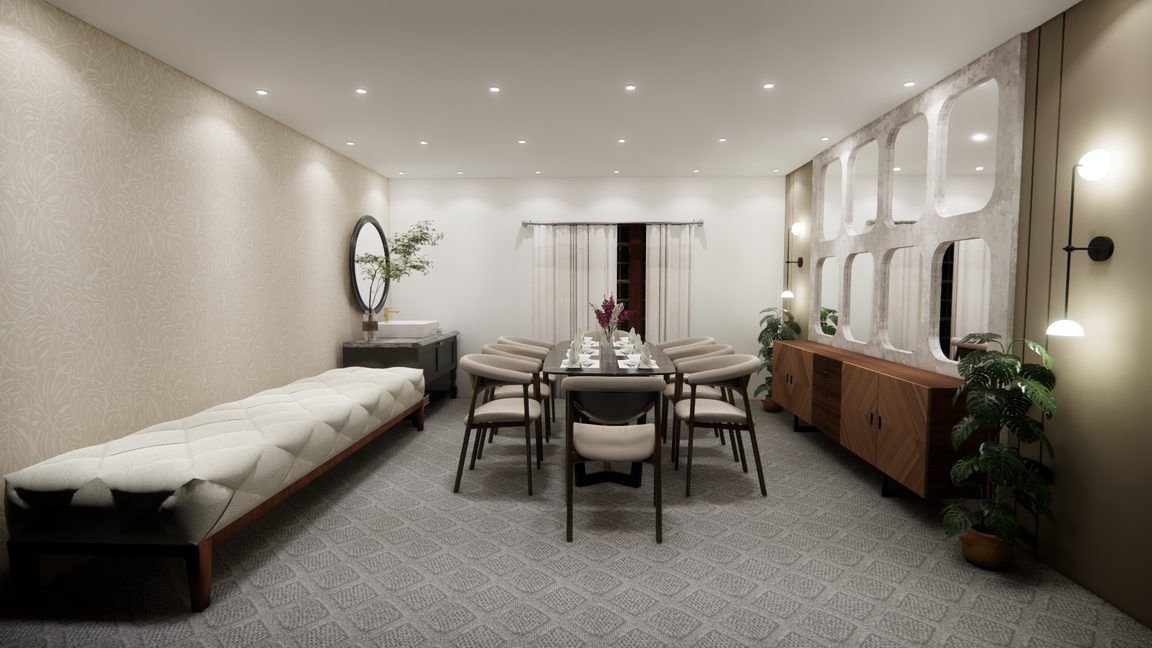
Keep surfaces simple. Hard floors with a couple of rugs you can roll up are easier to keep clean than wall-to-wall carpet. Closed storage beats open display shelves when nobody is around to dust.
Plan for maintenance from a distance. Arrange pest and termite inspection before the woodwork goes in. Keep a set of keys with someone local. Make a simple maintenance calendar covering pest control, AC servicing and a deep clean before the monsoon. Smart locks or a basic security camera can help you check on the place, but make sure your society allows them.
Planning by home type in Nashik
1BHK. One-bedroom flats are a large part of the supply aimed at budget-conscious buyers3. Spend first on a compact, well-planned kitchen and a full-height wardrobe. A sofa-cum-bed and a fold-down dining table can turn the living room into guest space when family visits.
2BHK and 3BHK. These make up most new launches3. Use the second bedroom as a study or guest room with a daybed or wall bed. In a 3BHK, plan one central store room or utility area for bulky items such as suitcases and festival decorations, so the bedrooms stay uncluttered. If someone works from home, a wall-mounted desk with shelves above can fit into a bedroom without blocking circulation.
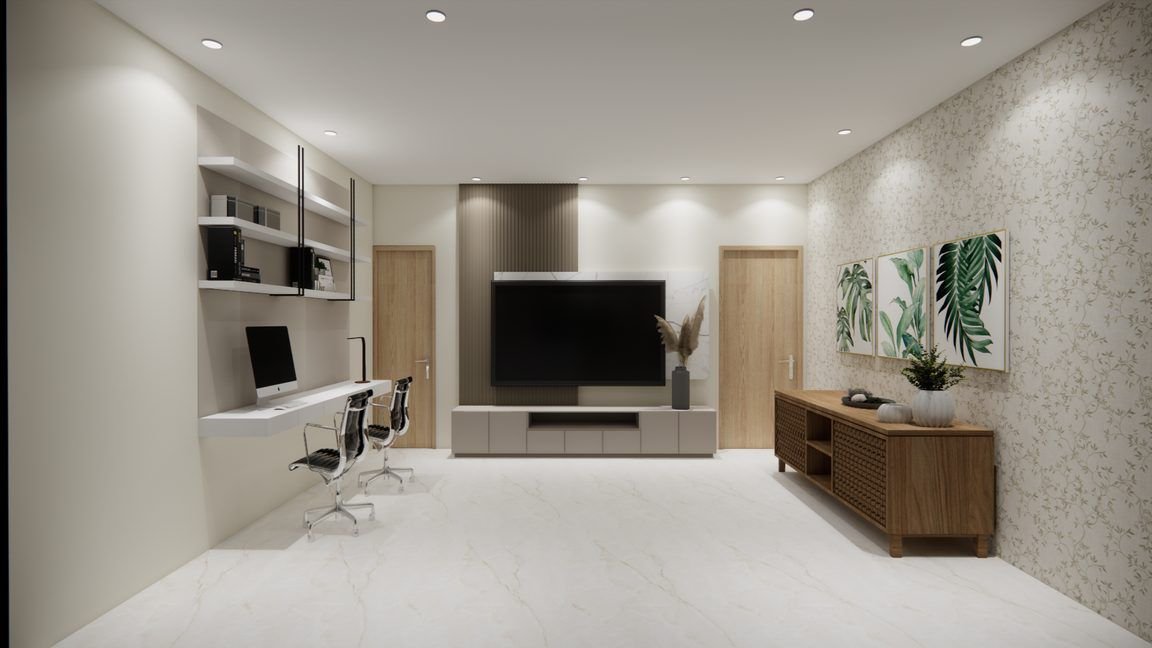
4BHK homes and villas. Supply is limited3, but demand for larger homes is rising1. These homes give you room for custom pieces, such as a dedicated pooja room, a home office or a second family lounge. In independent houses and row houses, budget for terrace and external-wall waterproofing, and get it done before July, when most of the rain arrives2.
High-rise flats. With approvals now allowing much taller towers1, more people will live on higher floors. Upper floors catch more wind and afternoon sun, so plan sturdy, well-fixed curtains or blinds and avoid fragile decor near balcony doors.
Budgets: where the money goes and how to compare quotes
With sales concentrated in the ₹10–40 lakh segment3, many Nashik households are fitting out a home on a budget that is modest next to the flat price. That makes the order of spending as important as the total. Spend first on what is hardest to change later: the kitchen, wardrobes, electrical points and any waterproofing. Lighting, loose furniture, curtains and decor can follow as money allows.
What moves the price. The amount of fixed joinery, the board grade (moisture-resistant boards cost more but suit Nashik's wet months), the shutter finish (laminate, acrylic, veneer and lacquer are priced very differently), the hardware brand and the countertop. Civil work, such as moving a sink or waterproofing a terrace, is separate from furniture and should be quoted on its own.
Reuse what the builder gave you. In a ready flat, a sound granite platform, decent floor tiles and well-placed electrical points can stay. Ask your designer to mark on the plan what is kept and what is replaced, so the quote only covers new work.
Comparing a design studio, a modular brand and a local carpenter. A local workshop can be flexible about changes on site and about paying in smaller instalments. A modular brand or design studio usually gives you drawings, factory finishes and a single point of contact. Whoever you choose, ask the same questions: which board and hardware brands will be used, whether there is a written warranty, and who fixes problems after handover. Compare quotes only once they are itemised to the same level of detail.
How to structure payments. Keep the booking amount modest and link every later payment to a stage you can verify: signed drawings, approved samples, delivery to site, installation and a closed snag list. Hold back a final share until the snags are fixed.
Timelines, warranties and living at home during the work
Ask for a dated schedule. A promise of a number of days means little unless you know when it starts. Get a schedule that names the dates for final drawings, material approval, production, delivery and installation. In Nashik, check how it handles July to September, when the rain and humidity peak2 and site painting and polishing slow down.
Get the warranty in writing. Ask what is covered (carcass, shutters, hardware, countertop and installation), for how long, and who you call when something fails. Hardware brands often have their own warranties; make sure those documents are handed to you.
Staying at home during the work. Since many Nashik buyers want ready flats1, you may already be living in the home. A kitchen-only or wardrobe-only job can usually be managed while you live there, with some disruption. A full-home project with civil work, dust and paint fumes is much easier if you move out for the noisiest weeks. If you plan to stay, ask for the work to be phased room by room, and agree on daily clean-up and working hours.
Snag list before the final payment. Walk through every room, open every shutter and drawer, check the edge banding inside the sink cabinet, and run every tap and switch before you release the last payment.
Managing a Nashik project from Mumbai or Pune
Nashik is about 180 km from Mumbai3, and many buyers are investors or second-home owners based in Mumbai or Pune1. Handing over a project you can't visit every week takes structure.
Agree the visit points. You don't need to be on site every week, but plan to visit at four stages: the measurement visit, design sign-off, a pre-installation check that the walls, electrical points and plumbing are ready, and handover. Link these to the payment stages so no payment goes out without a visit or a video walkthrough.
Ask for a weekly update in a fixed format: photos of each room, what was done, what is next and any decision needed from you. A shared folder works better than a long chat thread.
Name one person on site. Whoever you hire, get a named supervisor and a phone number, not just a sales contact.
Sort out the society early. Find out the working hours, lift booking rules and debris disposal arrangements, and give the society a letter authorising your contractor. That avoids work stopping on the first morning.
Red flags in any proposal: no itemised quote; materials described only as "premium" or "branded"; pressure to pay before the drawings are final; and no written warranty.
Frequently asked questions
How much does a 2BHK interior cost in Nashik?
It depends on how much fixed furniture you need, the finishes and whether you add painting, false ceilings or civil work, far more than on the city. Set a per-room budget, decide which of the builder's fittings you will keep, and get itemised quotes drawn on your actual floor plan so they can be compared line by line.
Which months suit interior work in Nashik?
The dry, mild months from November to February suit polishing, painting and other finishing, because July to September are the wettest and most humid months2. Factory-made modular units can be installed in any season.
Can I manage a Nashik interior project from Mumbai or Pune?
Yes, with structure. Nashik is about 180 km from Mumbai3. Plan visits at measurement, design sign-off, a pre-installation check and handover, ask for weekly photo updates in a fixed format, and tie each payment to a visit or a video walkthrough.
How should I furnish a weekend home that stays closed for weeks?
Design for absence: louvred shutters and ventilation to stop mustiness, wipe-clean or removable fabrics, closed storage instead of open shelves, and a pest inspection before the woodwork goes in. Keep keys with someone local and book a deep clean before the monsoon.
Which materials handle Nashik's humid monsoon and dry spring?
Engineered boards such as good plywood or high-density moisture-resistant board move less than solid wood across the swing from 20% evening humidity in spring to 90% mornings in August2. Seal every surface, including backs and edges, and let boards acclimatise on site before they are cut.
Do I need to move out during the work?
For a kitchen or wardrobe job, usually not. For a full-home project with civil work and painting, moving out for the noisiest weeks makes it faster and easier. If you stay, ask for a room-by-room schedule and agreed working hours.
Planning interiors for your Nashik home?
2BHK Interiors takes on projects in Nashik, including second homes owned by families based in Mumbai and Pune. Share your floor plan and budget, and we will talk you through the options.
Talk to 2BHK InteriorsNearby city guides
How we researched this page
We checked every figure on this page against the sources below on the dates shown (IMD climate normals, News report (municipal cess data), News report, Real-estate research (CREDAI / Liases Foras)). If you spot something out of date, tell us and we will correct it.
- Free Press Journal: Nashik: Real Estate Market Expands As Property Transactions Hit Record High (accessed 2026-10-30)
- India Meteorological Department: Climatological Tables of Observatories in India 1991–2020 (9th edition, 2022) (accessed 2026-10-30)
- CREDAI with Liases Foras: Nashik 2024: Overview of Real Estate in Nashik City (accessed 2026-10-30)